25 November 2025
Understanding cracks and subsidence: when to worry, and when not to
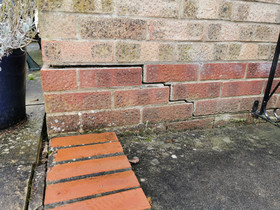
Cracks in your walls can cause understandable concern for any homeowner. Are they just cosmetic, or do they suggest something more serious? We recently inspected a 1940s terraced property in a historic mining area after the owners noticed new cracks in their walls — the results might surprise you.
The survey findings
A full inspection of the property, its history and the surrounding ground conditions gave us a much fuller picture than the cracking alone could. Historic mining areas do carry a reputation for ground movement, but that reputation does not automatically mean every crack is related to it.
Why cracks appear — and what they mean
Cracking can come from several sources: normal seasonal movement, historic settlement that has long since stabilised, thermal movement, or genuine ongoing subsidence. Distinguishing between them means looking at the pattern, width, location and history of the cracking together, not in isolation.
Our recommendations
In this case, the evidence pointed away from active subsidence. Our recommendations focused on straightforward, proportionate repairs rather than the invasive (and expensive) investigation that a subsidence diagnosis would have required.
The takeaway
Cracking is worth taking seriously, but it does not automatically mean structural trouble. An independent survey gives you the evidence to make a proportionate decision, rather than assuming the worst — or ignoring a problem that does need attention.
Seen new cracking at your property? Find out how a subsidence survey works, or get in touch to talk it through.